
Solid surface countertops offer seamless, repairable designs with consistent patterns, while natural stone countertops showcase unique, organic character with visible seams. You’ll find solid surfaces cost 15-40% less and require minimal maintenance with just soap and water. Natural stone demands specialized cleaners and periodic sealing but can last generations. While both materials resist daily wear, solid surfaces tend to dent rather than crack. Understanding their key differences will help you make the perfect choice for your space.
Durability and Impact Resistance
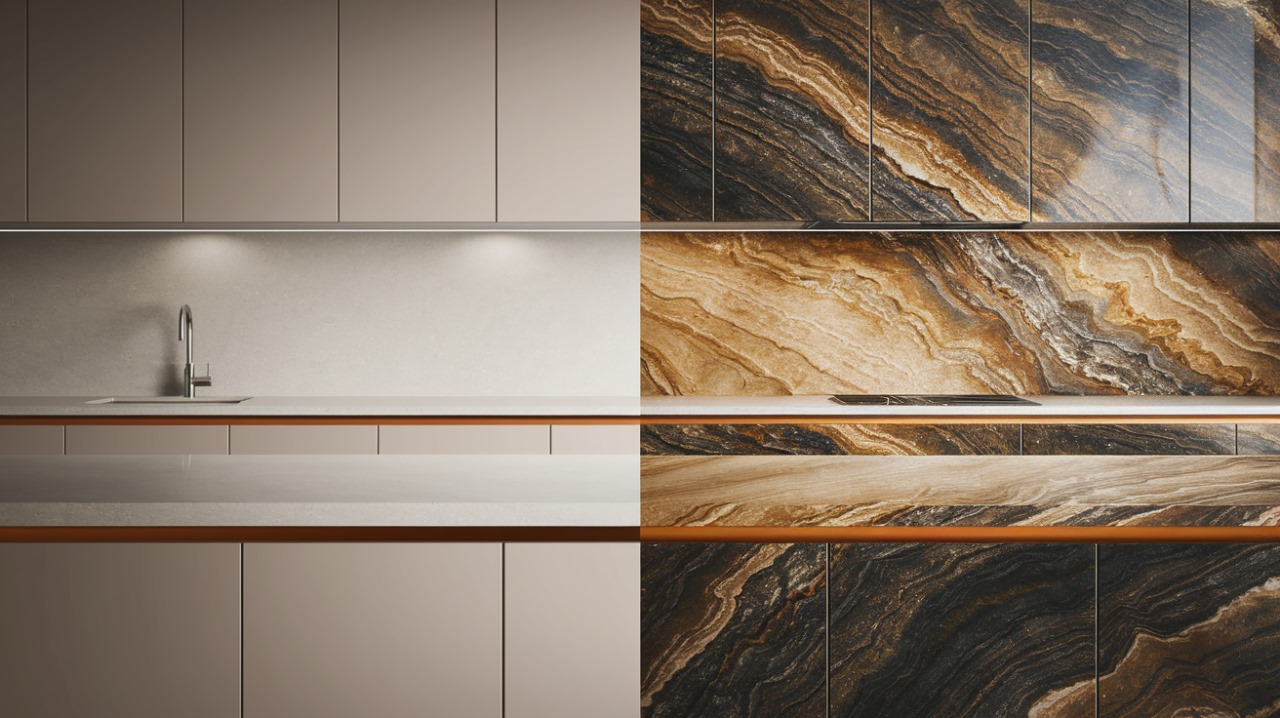
While both solid surface and natural stone countertops offer impressive durability, they respond differently to daily wear and impact. Natural stone, particularly granite and quartzite, delivers superior surface strength against scratches and heat, but it can chip or crack if heavy objects fall on its surface. You’ll need to be mindful of sudden impacts, especially around corners and edges.
Solid surface countertops provide consistent impact resistance throughout their material. If you accidentally drop a heavy pot or pan, the surface is more likely to dent than shatter. What’s even better is that you can often buff out or repair minor damage, unlike natural stone that typically requires professional restoration. This makes solid surface an excellent choice for busy kitchens where durability needs to balance with practicality.
Cost and Long-Term Value
When you’re weighing countertop options, you’ll find solid surface materials typically cost 15-40% less than natural stone for initial purchase and installation. Your investment in natural stone, however, can greatly enhance your home’s resale value and maintain its appeal for decades to come. While solid surface counters offer good value for budget-conscious renovations, natural stone’s timeless quality and market desirability often justify its higher upfront cost as a long-term investment.
Initial Price Comparison
The price difference between solid surface and natural stone countertops can greatly impact your remodeling budget. When making your initial cost comparison, you’ll find that solid surface materials typically range from $45-$75 per square foot installed, while natural stone varies dramatically based on rarity and quality.
| Material Type | Entry Level | Mid-Range | Premium |
|---|---|---|---|
| Solid Surface | $45/sq ft | $60/sq ft | $75/sq ft |
| Granite | $40/sq ft | $65/sq ft | $100/sq ft |
| Marble | $55/sq ft | $85/sq ft | $180/sq ft |
Your budget considerations should factor in that while solid surface maintains consistent pricing across styles, natural stone’s cost fluctuates greatly based on origin, veining, and color variations. You’ll find that exotic granites and rare marble varieties command premium prices, while standard patterns stay more affordable.
Long-Term Investment Analysis
Considering the lifespan of your countertop investment, you’ll need to weigh more than just initial costs. While solid surface countertops typically last 15-20 years, natural stone can endure for generations when properly maintained. This durability difference greatly impacts your return on investment.
A life cycle analysis reveals that natural stone’s higher upfront costs often balance out over time. You’ll find that granite and marble can increase your home’s resale value more substantially than solid surface alternatives. However, if you’re planning to remodel within a decade, solid surface materials offer better short-term value. They’re easier to repair and less likely to need replacement due to chips or cracks. Your lifestyle and length of home ownership should guide this investment decision, as both materials serve different long-term value propositions.
Maintenance Requirements and Care
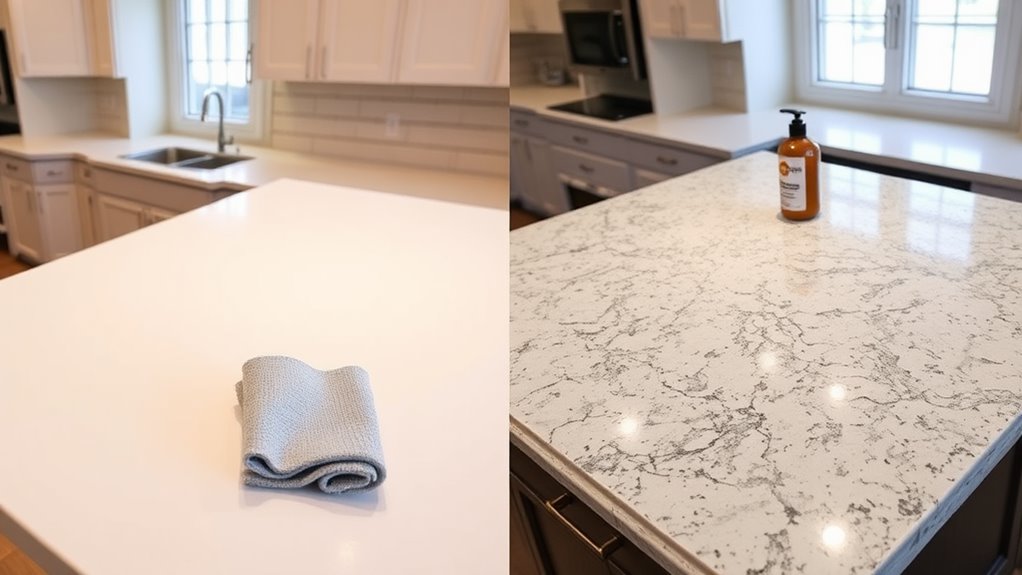
Maintenance needs differ greatly between solid surface and natural stone countertops, impacting your daily cleaning routine and long-term care requirements. With solid surfaces, you’ll enjoy simplified cleaning techniques using mild soap and water, while natural stone demands specialized cleaners and periodic sealing. The stain resistance of solid surfaces means you won’t need to worry about wine spills or acidic foods, unlike natural stone’s porous nature.
| Care Aspect | Solid Surface | Natural Stone |
|---|---|---|
| Daily Cleaning | Soap & water | pH-neutral cleaner |
| Sealing | Never needed | Every 6-12 months |
| Stain Treatment | Wipe clean | Poultice required |
| Repairs | Buff or sand | Professional only |
You’ll spend less time maintaining solid surfaces, though both materials can retain their beauty when properly cared for according to manufacturer specifications.
Design Options and Aesthetic Appeal
You’ll find solid surface countertops offer a vast array of manufactured colors and patterns, while natural stone showcases unrepeatable designs created by nature itself. When choosing solid surfaces, you can achieve a modern, seamless appearance with invisible joints and integrated features like sinks and backsplashes. Natural stone’s organic veining, crystalline structures, and unique variations provide timeless beauty that many homeowners consider irreplaceable.
Colors and Patterns Available
Both solid surface and natural stone countertops offer distinct aesthetic possibilities, but their available design options differ considerably. You’ll find that solid surface materials come in virtually unlimited color variations, with manufacturers offering extensive palettes from subtle neutrals to bold statement hues. Natural stone presents inherent patterns that can’t be replicated, showcasing nature’s unique fingerprint in every slab.
| Feature | Solid Surface | Natural Stone |
|---|---|---|
| Colors | Unlimited options | Earth-toned range |
| Patterns | Consistent, repeatable | Unique, natural |
| Customization | Full pattern control | Limited to nature |
| Matching | Seamless integration | Varied appearance |
When it comes to pattern customization, solid surface countertops allow you to choose precise designs, while natural stone’s patterns are fixed by geological formation. This makes solid surface ideal for achieving specific design visions, whereas natural stone appeals to those seeking organic character.
Custom Look Vs Nature
While designing your ideal kitchen space, the fundamental choice between solid surface and natural stone countertops often comes down to aesthetic philosophy. With solid surface materials, you’ll have precise control over the look you want to achieve. You can exercise custom creativity through seamless designs, integrated sinks, and perfectly matched patterns across your entire installation.
Natural stone, however, tells a different story. Each slab offers organic uniqueness that can’t be replicated, featuring distinctive veining, color variations, and natural imperfections that create one-of-a-kind focal points in your kitchen. When you choose natural stone, you’re fundamentally selecting artwork formed by nature over millions of years. Your decision might reflect whether you prefer the predictability and uniformity of manufactured materials or the distinctive character of earth’s natural processes.
Seamless Vs Natural Beauty
The pursuit of perfect aesthetics leads many homeowners down two distinct design paths. With solid surface countertops, you’ll achieve a seamless design that creates an uninterrupted flow throughout your kitchen. The continuous appearance eliminates visible joints, offering a clean, modern aesthetic that appeals to minimalist sensibilities.
Natural stone, however, tells a different visual story. You’ll uncover unique natural variations in each slab, from subtle veining to dramatic color shifts that can’t be replicated. These inherent patterns create a one-of-a-kind masterpiece, bringing organic beauty and character to your space. While you’ll need to accept visible seams where slabs meet, many homeowners find that these subtle shifts add to the authentic appeal of natural stone, creating a sophisticated and timeless atmosphere in their kitchen.
Installation Methods and Seaming
Since installation quality greatly impacts the final appearance of any countertop, understanding the distinct methods for solid surface and natural stone is essential. The installation techniques for solid surface materials allow for nearly invisible seams through special adhesives and sanding, while natural stone requires more visible seaming options.
- Solid surface installations use color-matched adhesives that blend seamlessly with the material
- Natural stone needs precisely cut seams filled with color-coordinated epoxy
- Solid surface can be thermoformed around corners for a continuous look
- Stone requires separate pieces joined at angles, creating visible seam lines
You’ll find that solid surface’s flexibility during installation offers more creative possibilities for unique designs, while stone’s installation demands strict adherence to natural break lines and structural support requirements. Each material’s seaming approach directly influences your countertop’s final aesthetic appeal.
Environmental Impact and Sustainability
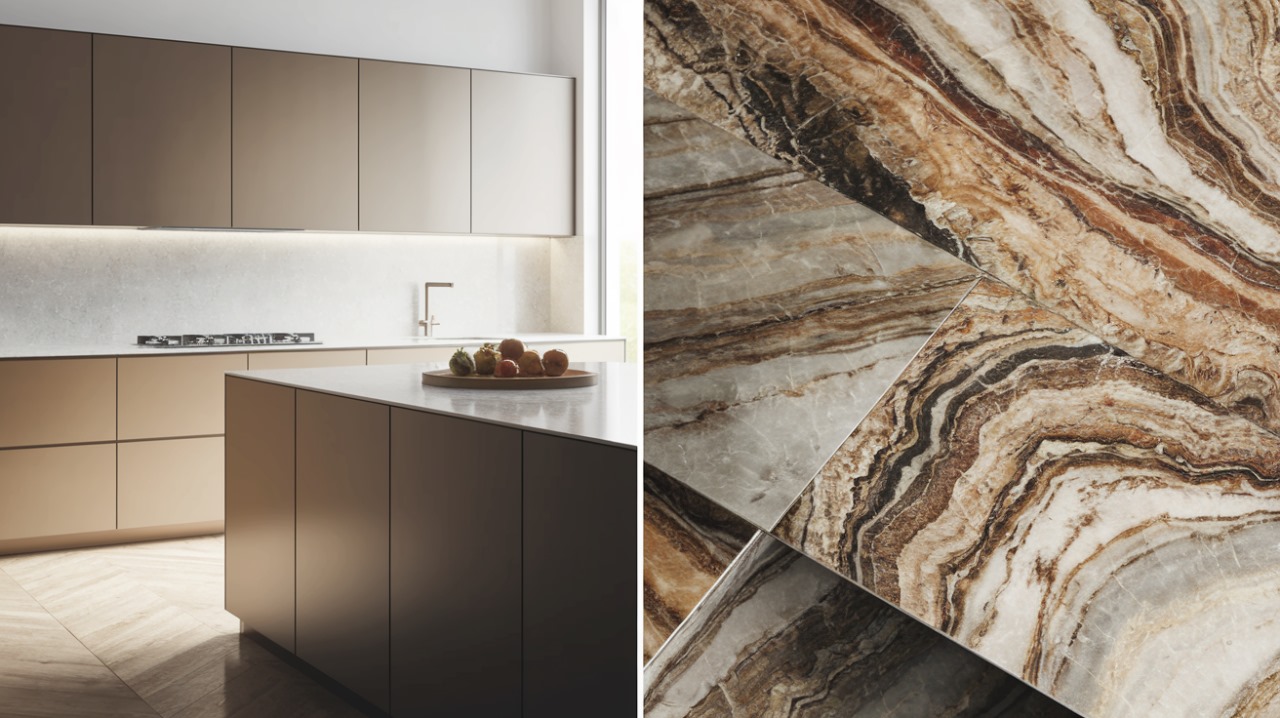
Modern homeowners considering installation methods must also factor in their environmental footprint when selecting countertop materials. You’ll find solid surfaces often incorporate recycled materials and rely on eco-friendly production processes, while natural stone requires extensive quarrying and energy-intensive transportation.
| Factor | Solid Surface | Natural Stone |
|---|---|---|
| Recyclability | Highly recyclable | Non-recyclable |
| Production Impact | Moderate energy use | High energy use |
| Transportation | Local manufacturing | Global shipping |
| Raw Materials | Partially recycled | Virgin materials |
| Longevity | 15-20 years | 50+ years |
While solid surfaces can be melted down and repurposed, natural stone’s durability means fewer replacements over time. Consider that stone’s timeless appeal might offset its initial environmental impact through reduced need for future renovations, though solid surface’s eco-friendly production methods make it an increasingly sustainable choice.
Frequently Asked Questions
Can Solid Surface Countertops Be Used for Outdoor Kitchen Installations?
You’ll need to be cautious when using solid surface countertops outdoors. While they offer some weather resistance, they’re not the best choice for outdoor kitchens. Direct sunlight can cause fading and warping, affecting both their appearance and durability. If you’re set on using them outside, you’ll want to guarantee they’re installed in covered areas and properly sealed. For better outdoor durability, consider alternatives like granite or outdoor-rated quartz.
How Long Does It Typically Take to Install Solid Surface Countertops?
You’ll find that the installation timeline for solid surface countertops typically spans 1-2 days, depending on your project’s complexity. The installation process includes template creation, fabrication, and final placement. If you’re renovating a standard kitchen, expect the team to complete the work within a day. However, custom designs, intricate layouts, or multiple seams might extend the timeline. You’ll be able to use your new countertops immediately after installation.
Are Solid Surface Countertops Heat Resistant Enough for Hot Pots and Pans?
While solid surface countertops offer many durability factors, you’ll need to be cautious with heat. They’re not as heat resistant as other materials and can be damaged by hot pots and pans placed directly on the surface. You’ll want to consistently use trivets or hot pads to protect your investment. The material can scorch, discolor, or even crack under extreme heat, though minor damage can often be buffed or repaired by a professional.
Can Solid Surface Countertops Be Curved or Shaped Into Unique Designs?
You’ll love the incredible design flexibility of solid surface countertops. They can be effortlessly curved, molded, and shaped into virtually any form you envision. Whether you’re dreaming of sweeping curved edges, integrated sinks, or seamless waterfall designs, these versatile materials open up endless creative applications. You can even incorporate dramatic backlit elements or create organic flowing shapes that wouldn’t be possible with traditional materials, making your space truly unique and personalized.
Do Solid Surface Countertops Increase Home Resale Value Compared to Laminate Options?
You’ll see a higher resale value with solid surface countertops compared to laminate alternatives. While they don’t add as much value as natural stone, they’re still considered a premium upgrade that appeals to potential buyers. Their seamless appearance, durability, and modern aesthetic make them an attractive selling point. When you’re planning to list your home, these countertops can help differentiate your property from others with basic laminate surfaces.